Lip Gloss vs Lip Oil: 7 Key Differences You Should Know
Scroll through any beauty feed right now and you will notice two products fighting for the same real estate on your lips: glosses and lip oils. They look similar in the tube, they both promise shine, and half the time their ingredient lists overlap. So what is the actual difference — and which one deserves a spot in your bag?
Let us break it down honestly, because the answer is not as simple as “one is better.”
Understanding the difference between lip gloss vs lip oil can help you choose the right product for shine, hydration, and everyday comfort.
Contents
- Lip Gloss vs Lip Oil: The Core Difference
- Texture and Wear
- Colour Payoff
- Skincare Benefits
- When to Use Each
- Which Is Better for a Lip Care Routine?
- FAQ About Lip Gloss vs Lip Oil
Lip Gloss vs Lip Oil: The Core Difference
Lip gloss is a cosmetic product first. Its primary job is to deliver colour, shine, and a polished finish. Modern glosses often include skincare ingredients (hyaluronic acid, vitamin E, botanical oils), but the formula is engineered around how it looks on your lips.
Lip oil is a skincare product that happens to look pretty. It is built around nourishing carrier oils — jojoba, rosehip, argan — and its main goal is to hydrate, soften, and repair. The shine you get is a pleasant side effect of the oil base, not the primary engineering focus.
Think of it this way: gloss is a dress that happens to be comfortable. Lip oil is pyjamas that happen to look cute.
Read our guide to choosing the best non-sticky lip gloss for everyday wear.
Texture and Wear: Lip Gloss vs Lip Oil
This is where most people notice the biggest gap.
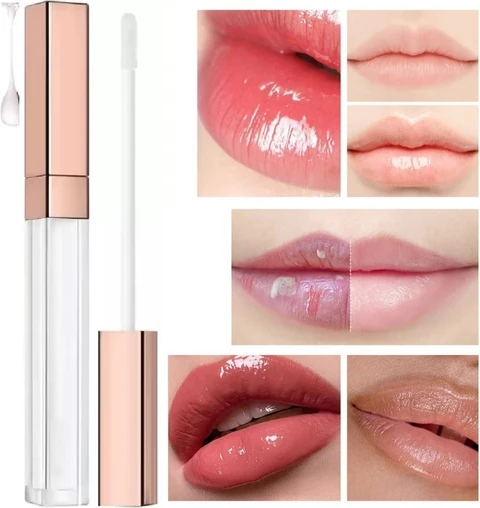
Glosses tend to sit on top of the lips, creating a reflective film. That is what gives you the high-impact, glass-lip finish that photographs so well. The trade-off — at least with older formulas — was stickiness. Newer non-sticky glosses have largely solved this, but the product still coats rather than sinks in.
Lip oils absorb. They feel lighter almost immediately after application because the oils penetrate the lip surface. You get a softer, more natural-looking sheen rather than a mirror-like effect. The downside? That sheen fades faster. Most lip oils need reapplication every hour or two if you want visible shine.
Longevity winner: Gloss.
Comfort winner: Lip oil (by a slim margin with modern gloss formulas closing the gap).
Colour Payoff
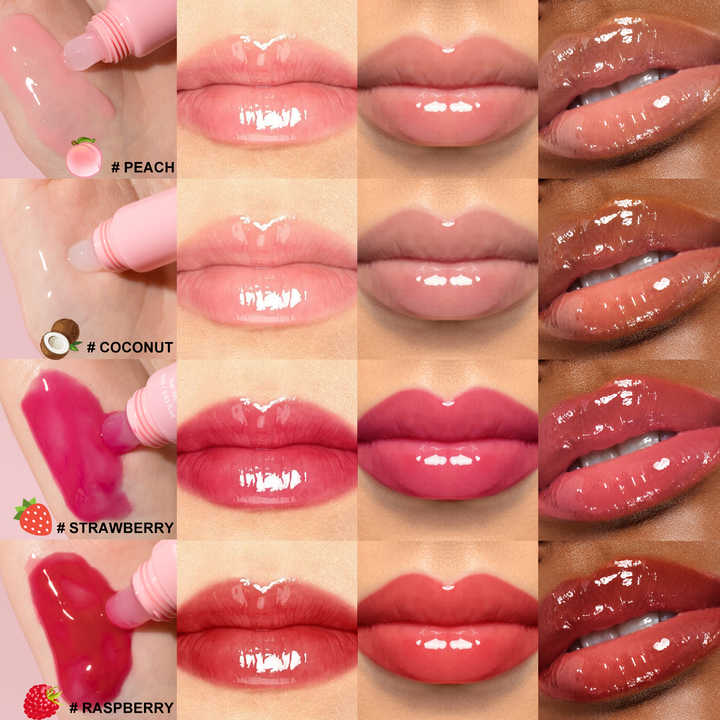
If you want noticeable colour in a single swipe, gloss wins. Lip oils are typically sheer — they offer a wash of tint at best. Some newer lip oils use colour-adapting pigments that react to your pH level, but even those deliver a subtle flush rather than a statement shade.
Glosses come in everything from crystal-clear to fully opaque, with shimmer, glitter, and metallic finishes on top. For a night out or any occasion where you want your lips to pop, gloss is the more versatile tool.
Skincare Benefits
Lip oils have the edge here, but it is narrower than marketing would have you believe.
A well-formulated lip oil delivers genuine hydration because it is essentially a concentrated serum for your lips. Ingredients like squalane and jojoba mimic the skin’s natural oils, helping to repair the moisture barrier over time.
But plenty of modern glosses — Soft Shimmer included — now pack similar actives into their formulas. The difference is concentration. A lip oil might contain 80–90 % nourishing oils, while a gloss with skincare benefits might sit around 15–25 %. Both help; the oil just does more heavy lifting on the care side.
If your lips are chronically dry or cracked, start with a lip oil as a treatment step, then layer gloss on top for the finish you want.
When to Use Lip Gloss vs Lip Oil
| Situation | Best Pick |
|---|---|
| Everyday low-key look | Lip oil |
| Photos, events, nights out | Lip gloss |
| Dry winter lips | Lip oil (or oil underneath gloss) |
| Quick colour + shine on the go | Lip gloss |
| Overnight lip treatment | Lip oil |
| Layered over lipstick for dimension | Lip gloss |
Which Is Better for a Lip Care Routine?
A balanced lip care routine often includes both products. Lip oils help nourish and soften dry lips throughout the day, while hydrating lip gloss formulas add shine, colour, and a polished finish.
Many beauty lovers now layer a non-sticky lip gloss over lip oil to combine skincare benefits with long-lasting shine.
The Real Answer: You Probably Want Both
This is not a cop-out — it is genuinely how most beauty routines work now. Lip oil handles the care; gloss handles the look. They layer beautifully together: oil first as a hydrating base, gloss on top for colour and high shine.
At Soft Shimmer, our glosses are formulated to play well with oils underneath. The lightweight base does not slide off or pill when layered, which means you can build a lip routine that is both pretty and actually good for your lips.
So instead of choosing sides, think of gloss and oil as two parts of the same routine — the same way you would not pick between moisturiser and sunscreen. Different jobs, same team.
Shop Soft Shimmer glosses at shop.mariafernandez.me.
FAQ About Lip Gloss vs Lip Oil
Is lip oil better than lip gloss?
Lip oil is better for hydration and lip care, while lip gloss is better for high shine, colour payoff, and longer-lasting wear.
Can you wear lip gloss over lip oil?
Yes. Many people layer a non-sticky lip gloss over lip oil for extra shine and comfort.
Which lasts longer: lip gloss or lip oil?
Lip gloss usually lasts longer because it creates a film over the lips, while lip oils absorb more quickly into the skin.
Are lip oils good for dry lips?
Yes. Lip oils made with jojoba, squalane, and argan oil can help soften and nourish dry lips over time.